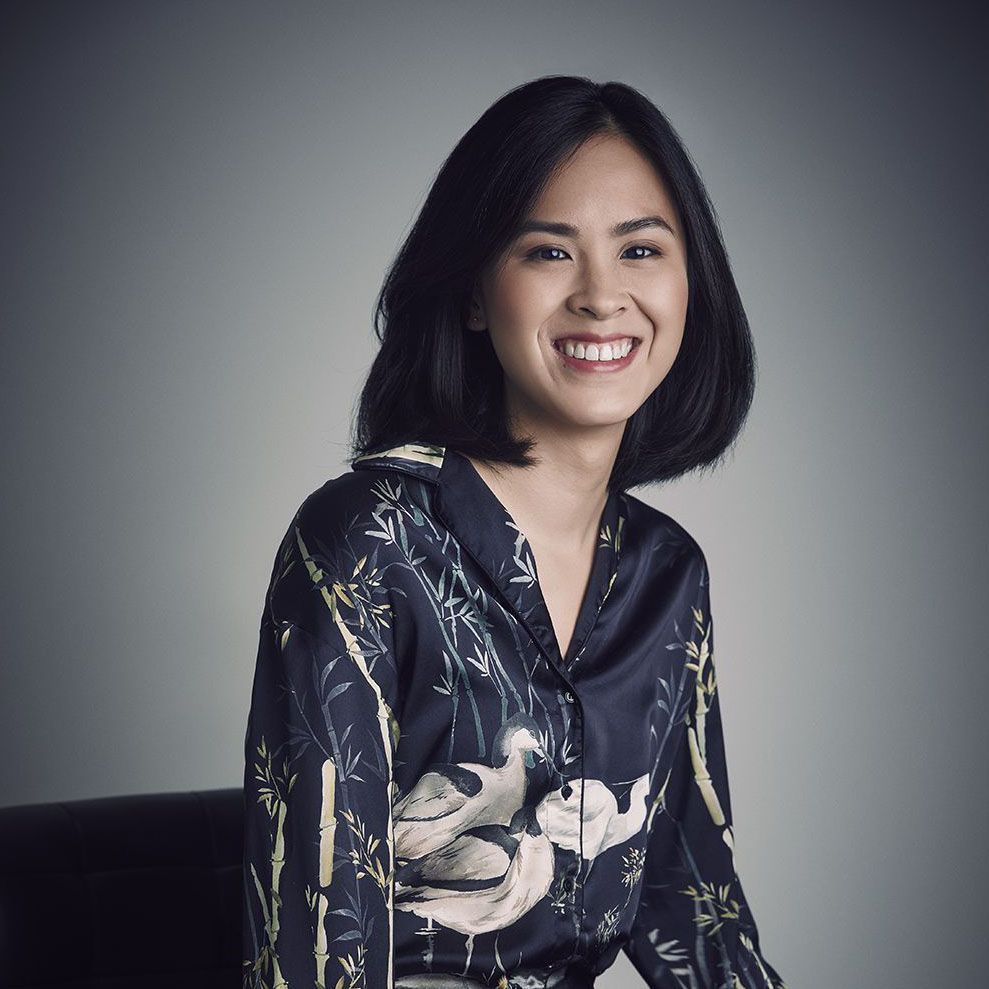
The Singaporean film producer discusses the people and moments that sparked their career and led them to start Momo Film Co to bring award-winning Southeast Asian storytelling to the world
When Singaporean film producer Tan Si En describes their approach to filmmaking, they speak of rivers—a producer’s work flows like water around obstacles, finding paths forward while maintaining its essential nature. It’s an apt metaphor for someone whose production company, Momo Film Co, has been steadily carving new channels for Southeast Asian stories to reach global audiences.
Their recent triumph came with the Vietnamese horror-comedy film, Don’t Cry, Butterfly, directed and written by Duong Dieu Linh, which won two awards at the 2024 Venice International Film Festival.
Now, as Southeast Asian film markets experience unprecedented growth, Tan stands at the confluence of commerce and creativity, proving that specificity in storytelling creates universal resonance.
“The more specific you are, the more global you are,” Tan says on the latest episode of Gen.T’s Crazy Smart Asia podcast, articulating the philosophy that has guided their journey from TV-obsessed child to award-winning producer championing Southeast Asian voices on the world stage.


The ‘Don’t Cry, Butterfly’ team at the Settimana Internazionale della Critica at the Venice International Film Festival 2024 (Photo: Tan Si En)
1 / 1
From TV addict to film producer: the early years
Long before starting Momo Film Co with writer-director Kris Ong, Tan was a child enchanted by the flickering images on their family television. “I was addicted to the TV,” they admit about their younger self. “The first thing I would do every morning was to turn on the TV before I brushed my teeth, before I did my homework. It was my source of motivation.”
Growing up without cable television, Tan consumed everything available on Singapore’s local channels. “I watched everything except the news.” This wide-ranging diet of content fostered an appreciation for diverse storytelling formats and laid the foundation for their future career.
What’s particularly striking about Tan’s childhood was the freedom their parents granted them. Despite harbouring hopes that their child might become a teacher, Tan’s parents valued freedom and happiness above conventional career paths. “They really cared about the idea of freedom and for me to be happy in whatever I’m doing,” Tan says.
Read more: From Hong Kong to Hollywood: Composer Elliot Leung’s impact on video games and Chinese classics